EVENTS
Event Highlights
"Song Dynasty Whisking Tea Culture" Webinar
2021-12-13
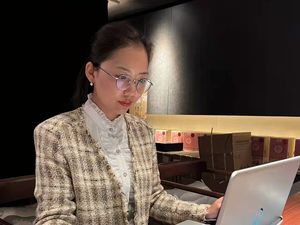
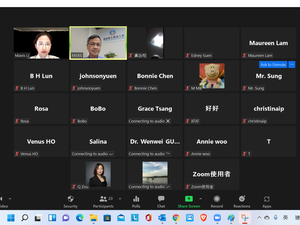
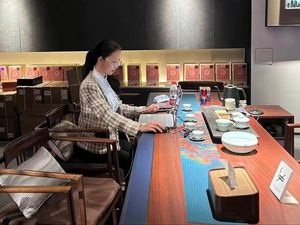
Maritime Silk Road Society (MSRS) organized the "Song Dynasty Whisking Tea Culture" Webinar on 13 December. Ms Mavis Li, Deputy Secretary-General of Chinese Tea Culture International Exchange Association, was the host.
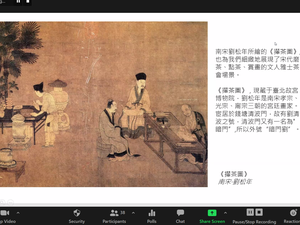
The webinar showed the tea-drinking methods of all classes in the Song Dynasty, ranging from princes, nobles, literati and officials, to common people, and there was a tea-drinking culture that belonged to each class. It was particularly special that the tea-drinking fashion of the Song Dynasty is also integrated into the life and rituals of the temple, which is also the source of the spread of tea to Japan and the development of the Japanese tea ceremony.
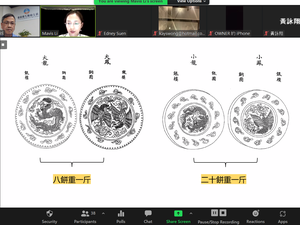
In terms of history and culture, Ms Li exhibited tea-tasting utensils in the Tang and Song dynasties respectively, and compared tea culture characteristics of these two dynasties. The "Dragon and Phoenix Tea Cake" of the Song Dynasty was particularly delicate. Despite its extremely complicated production process, it was still enthusiastically sought after by Song people. This showed the prosperity of the tea culture at that time.
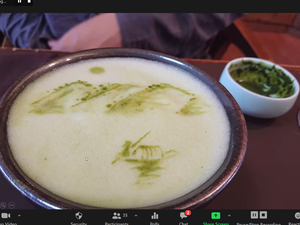
In terms of technique, aristocratic officials in the Song Dynasty enjoyed tea feasts and elegant gatherings. In order to make tea with excellent colour, fragrance and taste, they abandoned the Tang Dynasty’s method of decoction of tea in a tea kettle filled with water, and changed to whisking tea method. It was pouring boiling water to tea powder, and stirred it with a tea whisk until a milky white layer was formed. Ms Li used a video to show the modern Song tea skills, using the powdered tea to paint on the tea surface featuring beautiful drawings.
Participants asked about the similarities and differences between Japanese tea ceremony and Chinese tea art. Ms Li pointed out that the former pays attention to the process and rituals, and pursues self-talk in the waiting process; while the latter focuses on the tea itself, delving into tea making techniques and materials, such as the water, tea and appliances used.